

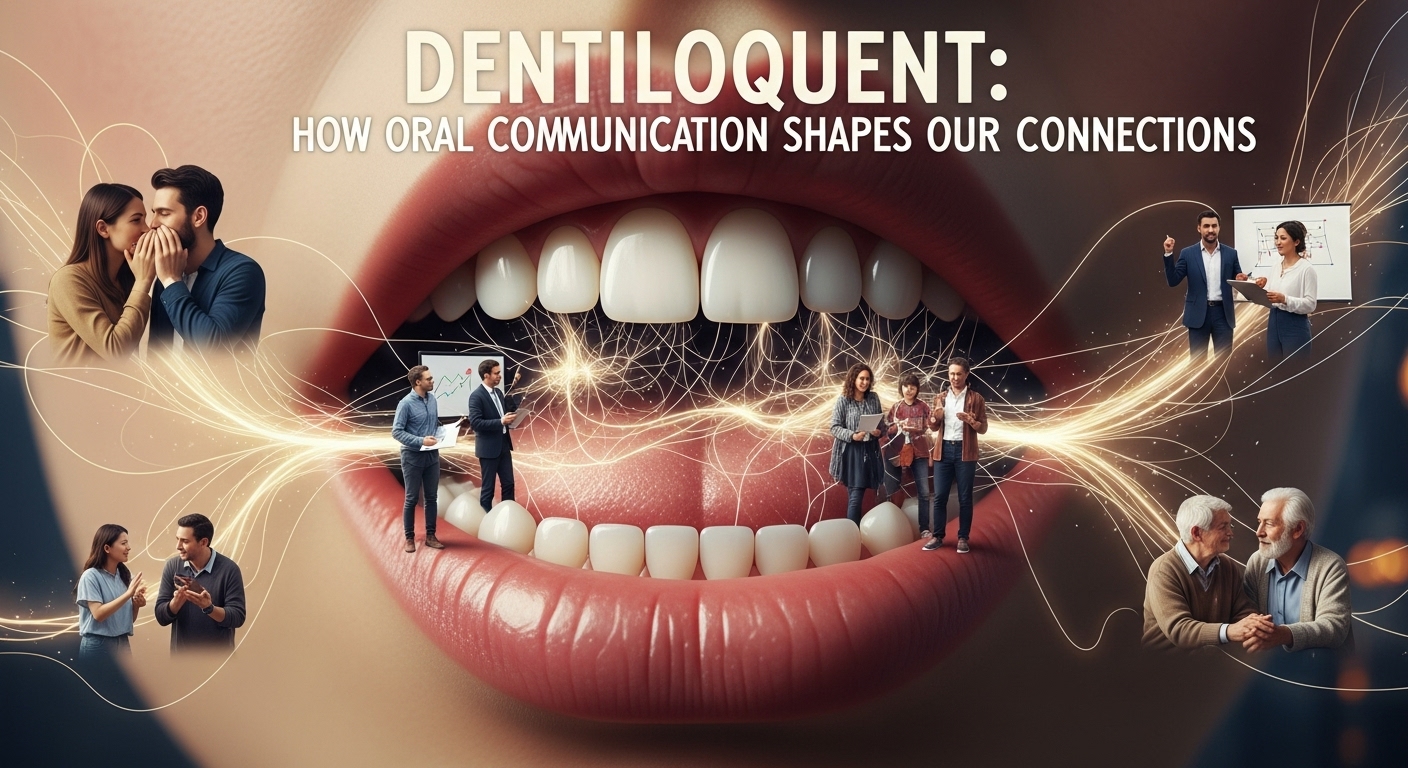
In a world where texting and social media dominate, it’s easy to overlook the art of speaking. Yet, oral communication—known as Dentiloquent—remains a cornerstone of our interactions. Whether you’re expressing thoughts in a meeting or sharing stories with friends, the way we speak shapes our connections profoundly. Imagine walking into a room filled with chatter. The hum of conversation creates an atmosphere that can either feel welcoming or intimidating. Those first few words can set the tone for everything that follows. But what is it about oral communication that holds such power? Join us as we delve into how dentiloquy influences relationships, enhances understanding, and even impacts professional environments. You might be surprised at just how vital your spoken words are in building authentic connections!
Defining Dentiloquy: What is Oral Communication?
Dentiloquent refers to the art of oral communication, a skill that involves sharing ideas and emotions through spoken words. It’s more than just talking; it’s about effectively conveying messages that resonate with listeners. At its core, oral communication encompasses various elements—tone, clarity, pace, and choice of words. Each contributes to how messages are perceived and understood.
Think about it: when you speak to someone face-to-face or over a call, your voice carries meaning beyond the actual words. The rhythm and inflection can completely change an interaction’s vibe. This form of communication is essential in our personal lives as well as in professional settings. It facilitates collaboration and understanding while fostering deeper relationships between individuals.
The Power of Words: Why Oral Communication Matters
Words wield immense power. They can inspire, comfort, and persuade. When we speak, we share our thoughts and feelings in a way that written communication often struggles to convey. Oral communication fosters connection. The sound of a voice enhances meaning through inflection and emotion. It creates an immediacy that text alone cannot achieve. Consider the impact of storytelling. A well-told tale resonates deeply with listeners, evoking empathy and understanding. This personal touch is vital for building relationships.
Moreover, effective oral communication promotes clarity. Misunderstandings are common when messages are conveyed without vocal nuances or context. Speaking allows for immediate feedback, making it easier to clarify intentions or emotions. In professional settings, strong verbal skills can influence outcomes significantly. Whether leading a team or pitching ideas, the ability to articulate thoughts clearly sets individuals apart from their peers.
Nonverbal Communication: The Importance of Body Language and Tone
Nonverbal communication plays a vital role in how we connect with others. Body language often speaks louder than words. A simple gesture, like crossing your arms or maintaining eye contact, can convey feelings and attitudes far beyond what you say. Tone of voice is Dentiloquent another crucial element. It adds depth to our spoken words—turning a casual comment into an excited invitation or a serious statement into a friendly suggestion. The right tone can foster trust and understanding, while the wrong one might create confusion or tension.
Subtle cues matter too. A smile can disarm, while fidgeting may indicate discomfort. People often perceive these signals instinctively, shaping their responses before any verbal exchange occurs. Being aware of body language and tone enhances interpersonal interactions significantly. Mastering these elements allows for more authentic connections in both personal and professional environments.
How Dentiloquy Shapes Our Relationships and Interactions
Dentiloquy plays a crucial role in shaping our relationships. Every spoken word helps construct the bridges of connection between individuals. When we engage in conversation, we’re not just exchanging information; we’re also sharing emotions and intentions. The way we articulate thoughts can build trust or create barriers. Moreover, oral communication allows us to express nuances that written words sometimes miss. Subtle shifts in tone can convey sincerity or sarcasm, enhancing understanding.
In close relationships, effective Dentiloquent skills foster intimacy. They enable partners to address issues openly and appreciate each other’s perspectives. At work, strong verbal communication builds teamwork and collaboration. Clear dialogue minimizes misunderstandings and boosts morale among colleagues. Thus, mastering this art influences both personal bonds and professional dynamics significantly.
Effective Strategies for Improving Your Oral Communication Skills
Improving your oral communication skills takes practice and intention. Start by actively listening. This means truly paying attention to the speaker without planning your response while they talk. Understanding their message enhances your ability to respond effectively.
Next, focus on clarity and brevity. Use simple language that conveys your ideas clearly. Avoid jargon unless you’re sure everyone understands it.
Engage in conversations regularly, whether with friends or colleagues. The more you speak, the more comfortable you’ll become. Try role-playing scenarios where you can rehearse difficult conversations.
Don’t underestimate the power of feedback. Ask trusted friends for constructive criticism after a discussion or presentation.
Record yourself speaking to identify areas for dentiloquy improvement. Listen for tone variations and pacing adjustments needed to enhance delivery. Embrace these strategies as opportunities for growth in becoming a more confident communicator.
Overcoming Challenges in Dentiloquent Interactions
Navigating dentiloquent interactions can be tricky. Many people face barriers that hinder effective communication. One common challenge is anxiety. Speaking in front of others can cause a surge of nerves, making it hard to articulate thoughts clearly. Practicing relaxation techniques can help ease this tension. Then there’s the fear of judgment. Worrying about how others perceive your words often leads to hesitation. Embracing authenticity and focusing on message delivery rather than self-criticism creates a more open dialogue.
Another hurdle is misunderstandings due to varying backgrounds or experiences. To overcome this, active listening becomes essential. Engaging fully with what others say fosters empathy and reduces miscommunication. Distractions play a significant role in oral exchanges. Minimizing external interruptions ensures clarity and enhances understanding during conversations—making every word count in those important moments.
The Impact of Dentiloquy on Our Personal and Professional Lives
Dentiloquy plays a crucial role in shaping how we connect with others. In our personal lives, effective oral communication fosters intimacy and understanding. Whether sharing thoughts with loved ones or resolving conflicts, the way we articulate our feelings can either strengthen bonds or create distance. In professional settings, clear verbal exchanges are essential for collaboration. The ability to convey ideas succinctly often determines career advancement and team dynamics. Successful leaders leverage dentiloquent skills to inspire confidence and motivate their teams.
Moreover, engaging conversations can open doors to networking opportunities that might otherwise remain closed. The impressions formed through spoken interactions frequently influence perceptions of competence and reliability. Navigating these varied landscapes requires awareness of how words impact relationships at every level. Being mindful of what we say—and how we say it—can significantly alter both personal connections and professional trajectories.
Conclusion
Oral communication, or dentiloquy, serves as a vital thread that weaves together our social fabric. It’s how we express thoughts, share ideas, and connect with others on both personal and professional levels. The power of words can’t be underestimated; they have the ability to inspire, persuade, and even heal. Understanding nonverbal cues—like body language and tone—adds another layer to effective communication. These elements provide context and nuance to what we say. They help us convey sincerity or urgency without uttering a single word.
As you strive to improve your oral communication skills, consider practicing active listening and being mindful of your delivery style. This not only informs but enriches your interactions with others. Challenges in dentiloquent exchanges are common—from misunderstandings to nervousness in speaking situations—but addressing these hurdles is possible through consistent practice and self-awareness.
The impact of strong oral communication extends into all facets of life—from building deeper relationships with friends and family to enhancing career opportunities through clear expression at work. Mastering the art of dentiloquy opens doors for meaningful connections that resonate long after words are spoken. Embracing this skill enriches not just our conversations but also transforms how we relate to each other in an increasingly interconnected world.