

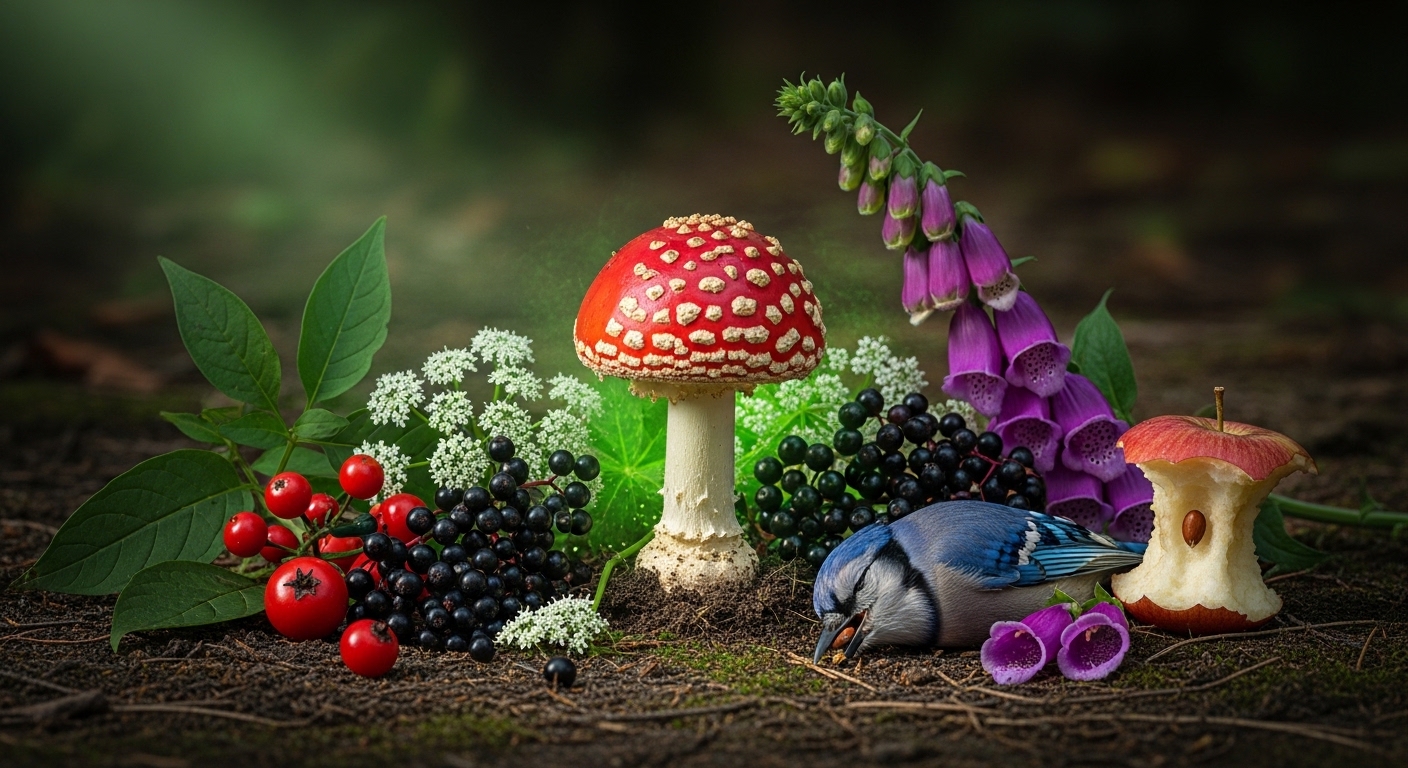
Nature is a beautiful tapestry of life, filled with vibrant colors and incredible diversity. But lurking within this natural wonder are hidden dangers that can catch even the most seasoned adventurer off guard. One such threat is kleptotoxicity, where certain plants and animals possess toxic properties that can harm those who consume them. With many outdoor enthusiasts exploring uncharted territories in search of wild edibles, it’s crucial to understand the risks involved. Join us as we delve into the world of kleptotoxicity and uncover the hidden dangers posed by toxic foods in nature. Your next hike or foraging trip may just depend on it.
Examples of Toxic Foods in Nature
Nature is filled with surprises, some delightful and others dangerous. Among the latter are foods that can be harmful or even fatal if consumed. One notorious example is the infamous wild mushrooms. Species like Amanita phalloides, also known as the death cap mushroom, contain potent toxins that can cause severe liver damage. Just a small bite can lead to disastrous consequences.
Another hazardous plant is poison ivy. While it’s often associated with skin irritation, its berries can create gastrointestinal distress if ingested by humans or pets. Elderberries, when raw, pose risks too. Consuming them without proper cooking releases cyanogenic glycosides which convert into toxic compounds in our bodies. Even seemingly harmless berries like pokeweed present dangers. Their roots and unripe berries harbor toxins that affect multiple organ systems if eaten. Awareness of these toxic foods helps ensure safety while exploring nature’s bounty.
The Dangers of Consuming Toxic Foods
Consuming toxic foods can lead to severe health risks. Many plants and fungi produce natural toxins as a defense mechanism. These substances can cause poisoning, leading to symptoms ranging from nausea and vomiting to liver failure. The effects of these toxins vary significantly from person to person. Factors like age, weight, and overall health play crucial roles in how one reacts. Some may experience mild discomfort while others suffer life-threatening consequences.
Even seemingly innocuous berries or mushrooms can harbor dangerous compounds. Foraging without knowledge puts you at an increased risk of accidental ingestion. Additionally, some individuals may not recognize that they have consumed something harmful until it’s too late. This delayed reaction heightens the danger associated with toxic foods found in nature. Awareness is vital when exploring wild edibles; ignorance could jeopardize your well-being and that of those around you.
How to Identify and Avoid Toxic Foods in Nature
Identifying toxic foods in nature requires keen observation and knowledge. Start by familiarizing yourself with common poisonous plants, fungi, and berries in your region. Resources like field guides can be invaluable. Always look for signs of toxicity. Many harmful plants have distinctive features—like bright colors or unusual shapes—that signal danger. If you’re unsure about a plant’s safety, it’s best to err on the side of caution.
When foraging, stick to areas you know well and avoid spots that may be contaminated by chemicals or pollutants. Wash any edible finds thoroughly before consumption. Trust reliable sources such as local workshops or knowledgeable experts who can share valuable insights on safe foraging practices. Engaging with community groups focused on wildcrafting can also enhance your understanding and confidence in navigating natural food sources safely.
The Importance of Proper Education and Awareness
Understanding kleptotoxicity is crucial for everyone who ventures into nature. Awareness can save lives and prevent serious health risks. Educating ourselves about toxic plants, fungi, and animals helps us make informed decisions while exploring the outdoors. Knowledge empowers adventurers to recognize potential dangers before they consume anything questionable. Workshops, online courses, and field guides provide valuable resources. Engaging with local wildlife experts or mycologists can also deepen your understanding of what to avoid.
Communities play a key role in sharing information about regional hazards. Conversations around safe practices enhance collective safety. Awareness extends beyond personal safety; it fosters respect for ecosystems that harbor these toxic species. Understanding their roles reminds us that every organism contributes to the balance of nature. Creating a culture of education ensures future generations know how to navigate natural environments safely and responsibly without fear but with caution.
Alternative Ways to Stay Safe in the Outdoors
Exploring the great outdoors can be a thrilling experience. However, safety should always come first. One effective way to stay safe is by learning about local flora and fauna before heading out. Familiarize yourself with toxic plants and mushrooms that may lurk along your path. Another smart move is to stick to marked trails. They are usually well-maintained and reduce the risk of accidental encounters with hazardous species.
Keeping a comprehensive first aid kit handy can also make a significant difference in emergencies. Ensure it includes materials for treating bites or allergic reactions, especially when venturing into unfamiliar territory. Consider joining guided tours led by knowledgeable experts who can provide valuable insights on what’s safe to eat or touch during your adventure. Using technology like smartphone apps designed for plant identification can serve as an extra layer of protection against potentially dangerous encounters in nature.
Conclusion
Kleptotoxicity serves as a crucial reminder of the complexities found in nature. While many plants and fungi can provide nourishment, some harbor hidden dangers that could jeopardize our health. Understanding which foods are toxic is vital for anyone who enjoys foraging or spending time outdoors. Awareness is key. Educating oneself about harmful species not only protects personal well-being but also fosters respect for nature’s intricate balance. With proper knowledge and caution, enjoying the beauty of natural edible offerings becomes safer.
Exploring alternatives to traditional food sources ensures that outdoor adventures remain enjoyable without compromising safety. Engaging with local experts or joining guided foraging tours can enhance your understanding while minimizing risks associated with kleptotoxicity. As we navigate through nature’s bounty, being informed empowers us to make wise choices about what we consume. Embracing this awareness allows us to enjoy the wonders of the great outdoors while keeping ourselves safe from potential hazards lurking among seemingly harmless flora and fauna.