

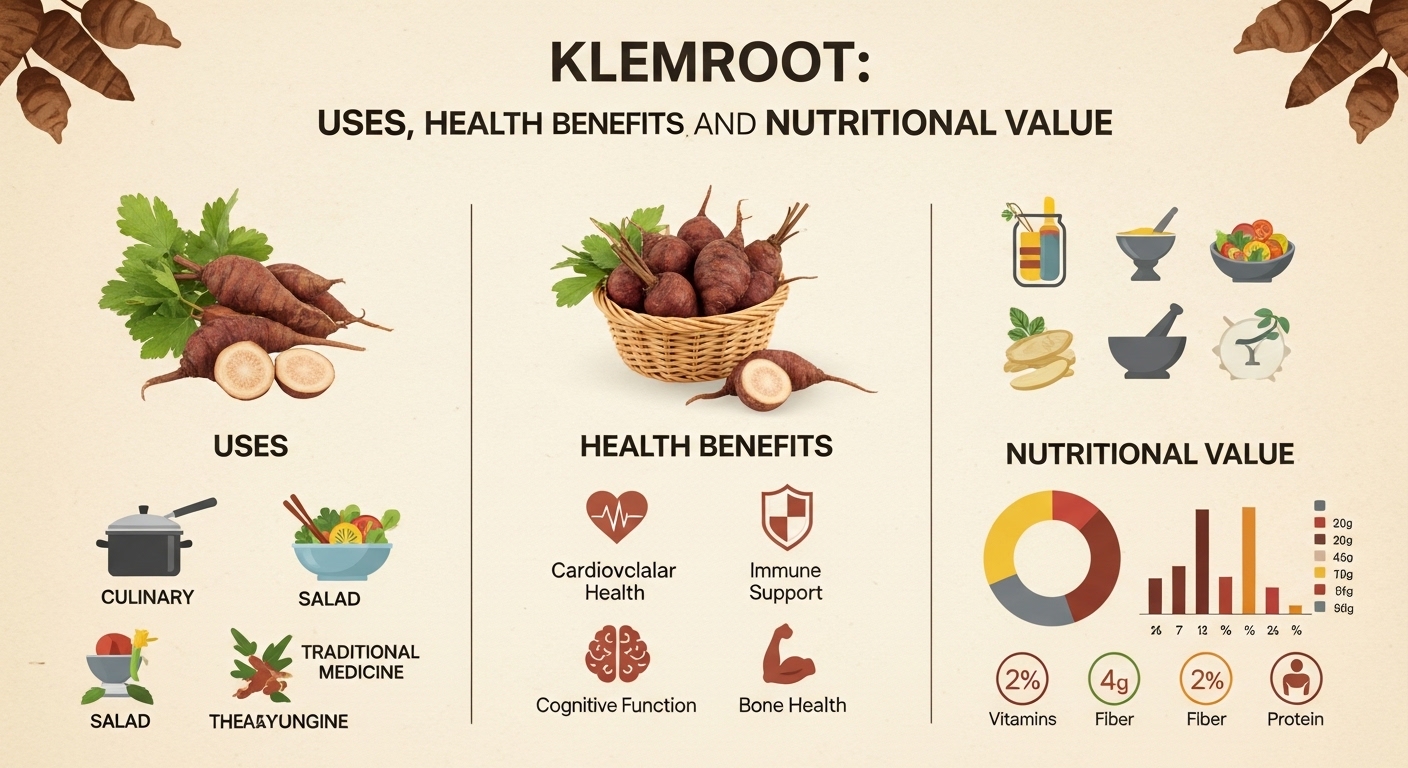
Klemroot is gaining attention among health enthusiasts and herbal medicine followers for its impressive nutritional profile and natural healing potential. Known as a nutrient-dense and antioxidant-rich plant, it has been used in traditional wellness practices for generations. Many cultures have valued this plant for its ability to support immunity, cleanse the body, and improve digestion. Today, as people increasingly turn to natural remedies and plant-based nutrition, interest in this unique root continues to grow.
This powerful plant is considered a functional food because it not only provides essential nutrients but may also support overall wellness. Its versatility allows it to be consumed in various ways, including raw, cooked, powdered, or brewed as herbal tea. Because of these qualities, it has become a topic of curiosity in both traditional herbal medicine and modern nutritional discussions.
Understanding what makes this plant unique requires exploring its origin, nutritional components, and traditional applications. By learning about its benefits and uses, individuals can better appreciate how this natural ingredient fits into a healthy lifestyle.
The Origin and Traditional Use of Klemroot
Historically, many medicinal plants were discovered through observation and centuries of cultural practices. Klemroot is believed to have roots in traditional herbal systems where plants were used not only as food but also as natural remedies. Herbalists often described it as a cleansing plant that helped support the body’s natural detoxification processes.
In traditional practices, roots and herbs were commonly used to prepare tonics, teas, and powders. These preparations were believed to support digestion, improve vitality, and maintain balance within the body. The concept of a “depurative” or blood-cleansing herb has long existed in herbal medicine, and this plant was often associated with that function.
Communities that relied on natural remedies frequently incorporated it into daily diets or seasonal cleansing routines. Such traditions emphasized the importance of plant-based nutrition for maintaining long-term health. While modern science continues to explore many herbal remedies, traditional knowledge still plays an important role in understanding how plants contribute to wellness.
Nutritional Value of Klemroot
One of the reasons this plant attracts attention is its impressive nutritional profile. It is believed to contain a combination of vitamins, minerals, antioxidants, and plant compounds that may support overall health.
Roots and herbal plants often contain fiber, which plays a vital role in digestive health. Fiber helps maintain regular bowel movements and supports beneficial gut bacteria. In addition to fiber, the plant is thought to provide essential nutrients that help the body perform important biological functions.
Antioxidants are another key component. These compounds help protect the body from oxidative stress caused by free radicals. Over time, oxidative stress can contribute to aging and various health problems. Consuming foods rich in antioxidants may help support cellular health and maintain overall balance within the body.
Furthermore, plant compounds known as phytochemicals may also be present. These natural substances are often associated with anti-inflammatory and protective properties. Although research continues to explore these compounds, many herbal plants have been valued for such characteristics throughout history.
Health Benefits of Klemroot
The potential health benefits of this plant are one of the main reasons it is gaining recognition today. While traditional knowledge highlights several uses, modern interest focuses on how its nutrients and plant compounds support overall well-being.
One commonly mentioned benefit is immune support. A strong immune system is essential for protecting the body against infections and maintaining health. Nutrient-rich plants can provide vitamins and antioxidants that help strengthen natural defenses.
Another important benefit involves digestive health. Many herbal roots have historically been used to soothe the digestive system and promote better nutrient absorption. Fiber and plant compounds may help maintain a balanced gut environment, which is essential for overall health.
Anti-inflammatory properties are also often associated with antioxidant-rich plants. Inflammation is a natural response of the body, but chronic inflammation may contribute to certain health conditions. Consuming foods with natural anti-inflammatory compounds may help support the body’s balance.
Additionally, some herbal traditions describe this plant as a detox-supporting ingredient. Rather than acting as a quick detox solution, such plants are believed to support the body’s natural cleansing processes through nutrition and hydration.
Klemroot and Immune System Support
The immune system depends on a variety of nutrients to function effectively. Vitamins, minerals, and antioxidants all play roles in protecting the body against harmful microbes and environmental stress.
Plants rich in antioxidants may help strengthen the immune response by reducing oxidative stress. When the body experiences lower levels of stress at the cellular level, immune cells can perform their roles more effectively.
In traditional wellness practices, herbal roots were often consumed during seasonal changes to maintain resilience against illnesses. Warm teas or herbal preparations were used to support the body during colder months or periods of fatigue.
While no single food can guarantee immunity, a balanced diet that includes nutrient-dense plants can contribute to stronger overall health. This is why natural ingredients with high nutritional value continue to attract attention in modern wellness communities.
Digestive Health and Detox Support
Healthy digestion is fundamental to overall wellness. When the digestive system functions properly, the body can absorb nutrients more efficiently and eliminate waste effectively. Many herbal plants have long been associated with digestive support.
Roots often contain compounds that stimulate digestive activity and encourage balanced gut function. Fiber is especially important because it helps regulate bowel movements and maintain gut health.
Traditional herbal practitioners often recommended herbal teas or powders made from roots to support digestion after meals. Such remedies were believed to reduce discomfort and promote a sense of balance in the digestive system.
The idea of detoxification is also closely related to digestion and organ health. Instead of dramatic cleansing methods, natural herbs were typically used as supportive ingredients within a healthy diet. These plants may help the body maintain its own natural detox processes through improved nutrition.
Culinary Uses of Klemroot
One of the most interesting aspects of this plant is its versatility in cooking. It can be used in several forms depending on the recipe or preparation method. In some cultures, fresh roots are incorporated into soups, stews, or vegetable dishes.
Cooking the root may soften its texture and enhance its flavor, making it easier to incorporate into everyday meals. It can also be dried and ground into powder, which allows it to be added to smoothies, herbal blends, or health drinks.
Another popular method of consumption is brewing it as herbal tea. Warm infusions are often used in traditional wellness routines because they are easy to prepare and gentle on the digestive system.
Adding nutrient-rich plants to meals is a simple way to increase dietary diversity. A varied diet containing fruits, vegetables, herbs, and roots provides a broader range of nutrients necessary for overall health.
How to Include Klemroot in a Healthy Lifestyle
Incorporating herbal plants into a daily routine does not require complicated preparation. Small additions to meals or beverages can gradually introduce beneficial nutrients into the diet.
Many people choose to start with herbal teas, as they are simple to prepare and easy to digest. Others prefer powdered forms that can be blended into smoothies or sprinkled into recipes.
When experimenting with new plant-based ingredients, moderation is important. Introducing small amounts allows the body to adjust and ensures that the ingredient complements an overall balanced diet.
It is also helpful to focus on whole foods and healthy lifestyle habits alongside herbal ingredients. Regular exercise, adequate hydration, and proper sleep all contribute to better health outcomes.
Combining these habits with nutrient-rich plants can create a holistic approach to wellness that supports both body and mind.
Growing Interest in Natural Wellness
Modern health trends show a growing interest in natural ingredients and traditional plant-based remedies. As people seek alternatives to highly processed foods, many are rediscovering the benefits of herbs, roots, and whole plant nutrition.
Herbal knowledge that once existed mainly in traditional communities is now gaining recognition in broader health discussions. Researchers continue to explore how plant compounds interact with the human body and how they may support wellness.
This renewed curiosity is not just about individual ingredients but about a broader shift toward mindful nutrition. People increasingly value foods that offer both nourishment and functional benefits.
The interest in plants like this reflects a desire to reconnect with nature and prioritize long-term well-being. By learning about traditional uses and modern nutritional insights, individuals can make informed decisions about incorporating natural ingredients into their diets.
Conclusion
Klemroot is an intriguing example of how traditional herbal knowledge continues to influence modern wellness practices. Known for its nutrient-rich composition and antioxidant properties, it has long been valued for supporting digestion, immunity, and overall health. Its versatility allows it to be used in teas, powders, and cooked dishes, making it accessible for many different lifestyles.
As interest in natural nutrition continues to grow, plants with historical medicinal use are being rediscovered and appreciated in new ways. While research is still expanding, the traditional reputation of this plant highlights its potential as a supportive ingredient in a balanced diet.
Ultimately, maintaining health involves a combination of good nutrition, healthy habits, and awareness of the foods we consume. By understanding the nutritional value and traditional uses of plants like this one, individuals can explore natural ways to support their well-being while enjoying the benefits of plant-based nutrition.