

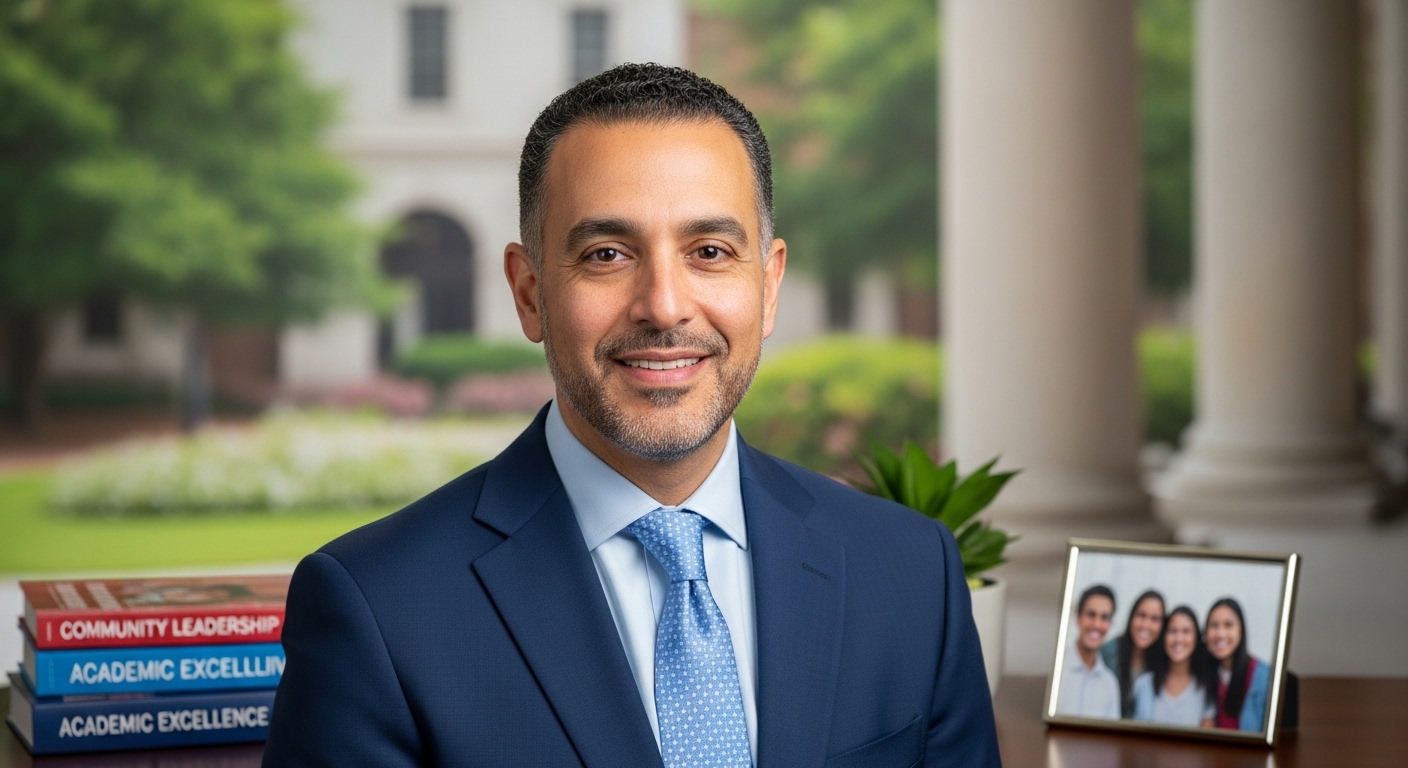
Abdela Kharbouch A Journey of Academic Excellence and Community Leadership stands as a powerful example of how dedication to learning and a sincere commitment to people can shape a meaningful and lasting impact. In an era where academic success is often measured only by titles and awards, Abdela Kharbouch’s story highlights something deeper. It reflects the belief that education becomes truly valuable when it is shared, applied, and used to strengthen communities.
This article explores the life path, values, academic mindset, and leadership philosophy that define Abdela Kharbouch, presenting a complete narrative of how personal discipline, intellectual curiosity, and social responsibility can work together to create a balanced and inspiring professional journey.
Early Life and the Foundation of Purpose
From an early age, Abdela Kharbouch demonstrated a strong interest in understanding how people learn and how societies evolve. Curiosity was not limited to textbooks alone. Everyday conversations, local challenges, and community activities shaped a growing awareness of social responsibility.
Rather than focusing only on personal success, Abdela developed a mindset centered on contribution. This perspective was influenced by the environment where collaboration and shared growth were considered essential values. Small experiences such as helping classmates, supporting neighborhood initiatives, and participating in educational programs created a foundation of empathy and leadership.
This early sense of purpose would later become the driving force behind a long-term commitment to academic excellence and community service.
The Academic Vision That Shaped a Career
Education became a central pillar in Abdela Kharbouch’s journey. Instead of viewing learning as a fixed process, it was embraced as a continuous and evolving practice. Academic achievement was not simply about grades or recognition. It was about understanding complex ideas, applying critical thinking, and finding practical solutions to real-world challenges.
Throughout academic development, Abdela consistently demonstrated a strong ability to connect theoretical concepts with social realities. This approach allowed research and coursework to become tools for community improvement rather than isolated academic tasks.
The commitment to high academic standards helped develop discipline, time management, and analytical skills. These qualities proved essential in building credibility as both a scholar and a leader.
Developing a Culture of Lifelong Learning
A defining feature of Abdela Kharbouch’s academic identity is the belief that learning should never stop. Even after formal studies, professional development remained a priority. Workshops, independent research, collaborative projects, and mentoring relationships helped maintain intellectual momentum.
This culture of lifelong learning extended beyond personal development. Abdela actively encouraged students, colleagues, and community members to view education as an accessible and empowering process. The message was simple yet powerful. Knowledge should not be reserved for institutions alone. It should reach individuals at every stage of life.
By promoting open dialogue and educational inclusion, Abdela helped create spaces where people felt confident to learn, ask questions, and share ideas.
Research, Innovation, and Social Impact
Academic excellence gains real value when it contributes to meaningful change. Abdela Kharbouch consistently focused on research and innovation that addressed social and educational challenges. Whether exploring learning methodologies, community development strategies, or policy frameworks, the goal remained clear. Research must serve people.
This practical orientation led to collaborative projects that connected educators, local organizations, and emerging professionals. Through these partnerships, research outcomes were transformed into actionable programs, workshops, and learning initiatives.
Innovation was never pursued for prestige. Instead, it became a tool for improving accessibility, inclusion, and educational quality across diverse communities.
Leadership Built on Service and Integrity
Leadership for Abdela Kharbouch has always been rooted in service. Rather than seeking authority, leadership emerged naturally through consistency, reliability, and ethical conduct. People were drawn to a leadership style that valued listening as much as guiding.
Integrity became a defining principle. Every project, partnership, and decision reflected a commitment to fairness and transparency. This reputation strengthened trust within academic environments and community networks alike.
Leadership was not limited to formal positions. Informal mentorship, collaborative coordination, and community facilitation became equally important expressions of leadership responsibility.
Community Engagement as a Core Mission
Community leadership occupies a central role in Abdela Kharbouch’s professional identity. Engagement extended beyond symbolic participation. It involved direct involvement in educational outreach programs, youth development initiatives, and social awareness activities.
By working closely with local groups, Abdela helped identify gaps in access to learning resources, mentorship opportunities, and professional guidance. Solutions were developed collaboratively, ensuring that initiatives aligned with real needs rather than external assumptions.
This community-driven approach strengthened social bonds and empowered individuals to take ownership of their development journeys.
Empowering Youth and Future Leaders
One of the most impactful aspects of Abdela Kharbouch’s work is the focus on youth empowerment. Recognizing the challenges faced by young learners in rapidly changing social and economic environments, Abdela prioritized mentorship and skill-building programs.
Students were encouraged to think critically, communicate effectively, and explore leadership roles early in their academic lives. Through guidance and structured learning opportunities, many young participants gained confidence in their abilities and clarity about future goals.
The emphasis on self-belief and ethical leadership helped nurture a new generation of professionals who value both competence and compassion.
Building Bridges Between Education and Society
A recurring theme in Abdela Kharbouch’s journey is the connection between educational institutions and broader society. Education should not operate in isolation. It must reflect cultural realities, economic conditions, and social challenges.
By fostering partnerships between educators, community leaders, and public organizations, Abdela helped bridge this gap. These collaborations enhanced curriculum relevance and ensured that learning outcomes aligned with societal needs.
This integrated approach strengthened both academic quality and social impact, creating learning environments that were responsive, inclusive, and future-focused.
Overcoming Challenges with Resilience
Every meaningful journey encounters obstacles. Abdela Kharbouch faced challenges related to resource limitations, institutional barriers, and evolving community needs. Instead of viewing these difficulties as setbacks, they became opportunities for reflection and improvement.
Resilience was cultivated through adaptability and continuous evaluation. Strategies were revised when outcomes did not meet expectations. Feedback from students, educators, and community members guided program refinement and leadership decisions.
This flexible mindset reinforced the importance of learning from experience and remaining open to change.
A Thoughtful Approach to Diversity and Inclusion
Diversity and inclusion are not abstract ideals within Abdela Kharbouch’s leadership philosophy. They represent daily practices that shape program design, educational outreach, and community partnerships.
Efforts were made to ensure that individuals from different backgrounds felt welcome and represented. Language accessibility, cultural awareness, and inclusive teaching strategies became essential components of educational initiatives.
By prioritizing equity, Abdela helped create environments where learners could thrive regardless of social or economic circumstances.
The Role of Communication in Academic Leadership
Effective communication plays a vital role in academic and community leadership. Abdela Kharbouch invested considerable effort in developing clear, respectful, and engaging communication practices.
Whether presenting research findings, facilitating workshops, or engaging in community discussions, communication focused on clarity and collaboration. Complex ideas were translated into accessible language, enabling wider participation and understanding.
This communication-centered leadership style strengthened relationships and encouraged collective problem-solving.
Strengthening Institutional Capacity Through Collaboration
Institutional growth often depends on collaboration rather than competition. Abdela Kharbouch consistently promoted cross-sector cooperation between educational institutions, nonprofit organizations, and local authorities.
By sharing expertise and resources, these partnerships enhanced program sustainability and expanded outreach capacity. Collaborative leadership also encouraged professional development among educators and administrators, strengthening institutional resilience.
Such cooperation helped build stronger educational ecosystems that could adapt to evolving social demands.
Measuring Impact Beyond Academic Metrics
Traditional academic success is often measured through publications, examinations, and formal achievements. While these indicators remain important, Abdela Kharbouch emphasizes broader measures of impact.
Community participation rates, learner confidence, mentorship outcomes, and long-term educational engagement provide deeper insights into success. These human-centered indicators reflect real change and lasting value.
This holistic evaluation approach supports continuous improvement and reinforces the social purpose of education.
A Model of Ethical and Responsible Leadership
Ethical responsibility remains central to Abdela Kharbouch’s professional identity. Transparency, accountability, and fairness guide all leadership practices. Decisions are made with careful consideration of their long-term social consequences.
This ethical foundation helps sustain trust among students, colleagues, and community partners. It also reinforces the belief that leadership should serve collective progress rather than personal advancement.
Through consistent ethical conduct, Abdela demonstrates that credibility and influence are built through integrity.
Inspiring a Shared Vision for Educational Transformation
At the heart of Abdela Kharbouch’s journey lies a shared vision of educational transformation. This vision recognizes that meaningful change requires collective effort. Teachers, students, families, institutions, and communities all play essential roles.
By fostering inclusive dialogue and participatory leadership, Abdela encourages stakeholders to contribute ideas, resources, and energy toward common goals. This collaborative model strengthens ownership and ensures that initiatives remain responsive to community needs.
Transformation, in this context, becomes a continuous and evolving process rather than a one-time achievement.
The Long-Term Legacy of Academic and Community Leadership
The lasting influence of Abdela Kharbouch is reflected not only in professional accomplishments but in the individuals and communities shaped by years of dedicated service. Students who gained confidence, educators who adopted innovative practices, and communities that strengthened learning opportunities all contribute to this growing legacy.
Leadership rooted in education and service creates ripple effects that extend far beyond immediate outcomes. It builds capacity, resilience, and hope for future generations.
Conclusion
Abdela Kharbouch A Journey of Academic Excellence and Community Leadership represents a powerful narrative of how education and service can work together to create lasting social value. Through dedication to learning, ethical leadership, and community engagement, Abdela Kharbouch continues to inspire individuals to pursue knowledge with purpose and to lead with compassion.
This journey reminds us that true academic success is not measured solely by achievements, but by the positive change created in the lives of others. In a world seeking meaningful leadership and inclusive growth, the story of Abdela Kharbouch offers a clear and inspiring example of what is possible when education becomes a shared mission for progress.