

Arthritis can feel like an unwelcome guest that overstays its welcome. It sneaks in quietly, often catching us off guard with persistent joint pain and discomfort. Millions of people around the world experience this condition, making it one of the most common health issues today. But what exactly is arthritis? What causes it, and how can we effectively manage the symptoms? In this blog post, we’ll dive deep into the various types of arthritis, explore their underlying causes, and discuss proven treatment options to help you regain your mobility and quality of life. Whether you’re seeking relief for yourself or a loved one suffering from joint pain, understanding arthritis is the first step toward reclaiming joy in everyday activities. Let’s embark on this journey together!
Types of Arthritis and their Causes
Arthritis is not a single condition but rather a collection of over 100 different types. Each type has its unique causes and characteristics.
Osteoarthritis, the most common form, occurs when cartilage wears down over time. Age, obesity, and joint injuries are significant risk factors for this degenerative disease.
Rheumatoid arthritis is an autoimmune disorder that causes the body to mistakenly attack its joints. Genetic predisposition plays a crucial role in its development along with environmental triggers like infections.
Psoriatic arthritis often accompanies psoriasis, affecting those with skin conditions. It can lead to joint pain and inflammation as well as skin flare-ups.
Gout results from excess uric acid in the bloodstream. This leads to sudden episodes of intense pain due to crystal formation in joints.
Each type requires tailored approaches for management and treatment based on their underlying causes.
Common Symptoms of Arthritis
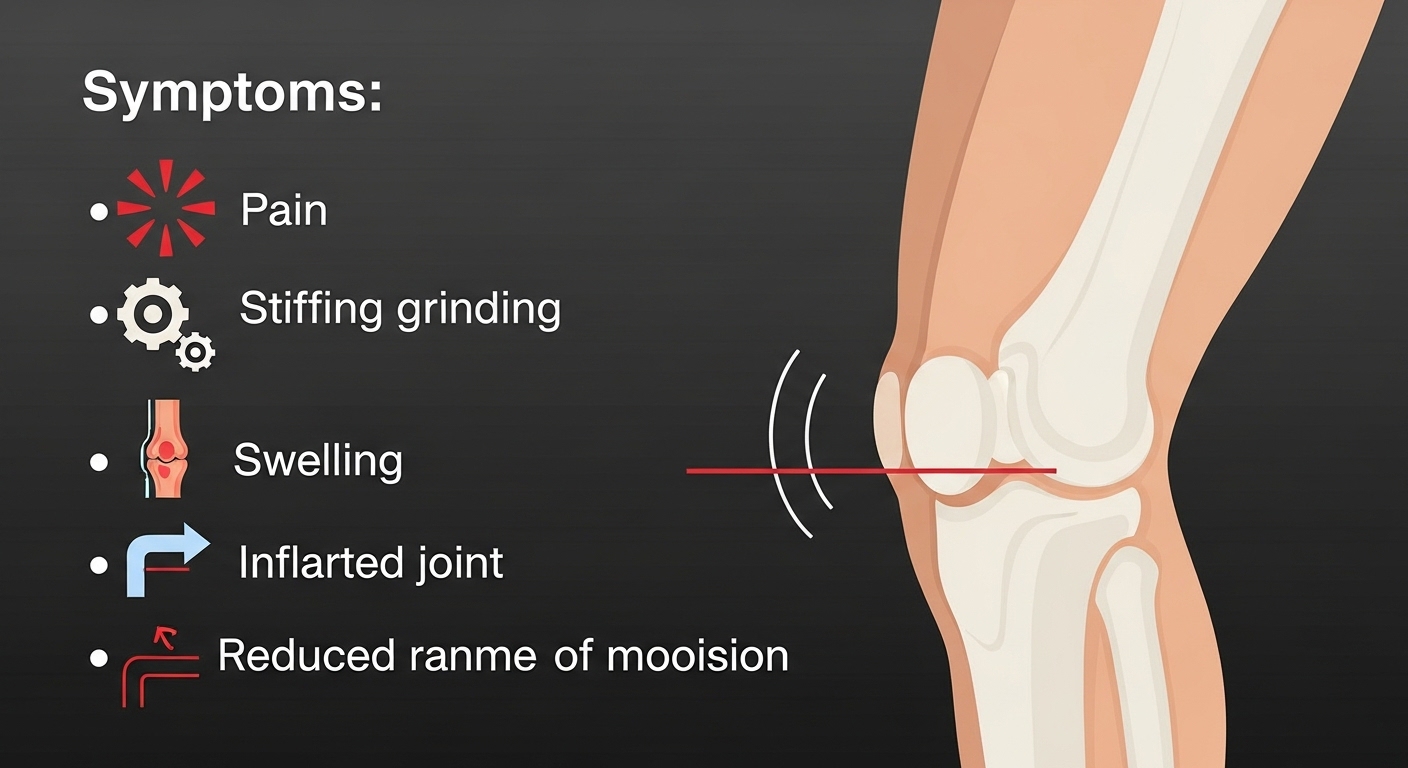
Arthritis can manifest in various ways, often leading to discomfort and frustration. One of the most common symptoms is joint pain, which may range from mild to severe. It can be persistent or flare up intermittently.
Stiffness is another hallmark symptom. Many individuals experience tightness, especially after periods of inactivity or sleep. This stiffness often makes morning routines challenging.
Swelling around the joints is also prevalent. Inflammation can cause noticeable puffiness and heat, indicating an active immune response.
Reduced range of motion frequently accompanies these symptoms. Simple tasks like bending or gripping may become difficult over time.
Fatigue is a less obvious but significant symptom many patients face daily. Living with arthritis can drain energy levels, affecting overall quality of life and daily activities.
Diagnosis and Treatment Options
Diagnosing arthritis involves a comprehensive approach. Doctors often start with a detailed medical history and physical examination. They pay attention to joint swelling, tenderness, and range of motion.
Blood tests can help identify specific markers associated with different types of arthritis. Imaging tests like X-rays or MRIs provide insights into joint damage and inflammation levels.
Treatment options vary widely depending on the type and severity of the condition. Common approaches include over-the-counter pain relievers such as NSAIDs for immediate relief. If symptoms persist, physicians may prescribe stronger medications or disease-modifying antirheumatic drugs (DMARDs) to slow progression.
Physical therapy also plays a vital role in managing arthritis symptoms. Tailored exercise programs strengthen muscles around joints while improving flexibility. In some cases, surgical interventions might be necessary for severe cases that don’t respond to other treatments.
Alternative Therapies for Joint Pain Relief
Alternative therapies offer a fresh perspective on managing joint pain associated with arthritis. Many people find relief through practices like acupuncture, which targets specific points in the body to alleviate discomfort and improve mobility.
Another popular option is massage therapy. This hands-on approach can ease tension around the joints, enhance circulation, and promote relaxation. Regular sessions may lead to noticeable improvements in stiffness and overall well-being.
Herbal supplements also play a role for some individuals seeking natural solutions. Turmeric and ginger are often highlighted for their anti-inflammatory properties, making them worthy of consideration alongside traditional treatments.
Mind-body techniques such as yoga or tai chi emphasize gentle movement combined with deep breathing. These practices not only help maintain flexibility but also foster mental clarity amidst chronic pain challenges.
Exploring these alternative avenues can empower individuals to take charge of their joint health while discovering what works best for them.
Lifestyle Changes to Manage Arthritis
Managing arthritis often begins at home. Simple lifestyle changes can make a significant difference in your day-to-day comfort.
Incorporating regular, low-impact exercise is crucial. Activities like swimming or walking can help maintain joint mobility without putting too much strain on them. Aim for consistency rather than intensity.
Diet also plays an essential role. Focus on anti-inflammatory foods such as fruits, vegetables, whole grains, and healthy fats found in fish and nuts. Reducing processed foods can alleviate inflammation levels in the body.
Weight management is another key factor. Carrying extra weight adds stress to your joints, particularly those in the lower body. A balanced diet combined with regular activity helps maintain a healthy weight.
Prioritizing rest is vital for managing pain flare-ups. Listen to your body’s signals and don’t hesitate to take breaks when needed; this promotes better overall health and well-being.
Preventing Arthritis in the Future
Preventing arthritis involves a proactive approach toward health. Maintaining a balanced diet rich in anti-inflammatory foods is essential. Incorporate fruits, vegetables, whole grains, and healthy fats to support joint function.
Regular exercise plays a crucial role too. Activities like swimming or cycling can strengthen muscles around joints without causing strain. Aim for consistency rather than intensity; even gentle movement yields benefits.
Weight management is another key factor. Excess weight places added pressure on joints, particularly the knees and hips. Staying within a healthy weight range reduces this risk significantly.
Additionally, staying hydrated supports overall bodily functions and helps maintain joint lubrication. Consider discussing supplements with a healthcare provider if you feel they might benefit your regimen.
Prioritize good posture and ergonomic practices at work or home to reduce undue stress on your joints throughout daily activities. Making these small adjustments can lead to lasting improvements over time.
Conclusion
Arthritis, a condition affecting millions worldwide, can significantly impact daily living. Understanding its various types and causes is crucial for effective management. By recognizing common symptoms early on, individuals can seek timely diagnosis and treatment options that cater to their specific needs.
The journey doesn’t end with conventional treatments; alternative therapies provide additional avenues for pain relief. Many find solace in holistic approaches that complement traditional medicine. Lifestyle changes also play an essential role in managing arthritis, from maintaining a healthy weight to incorporating regular exercise into your routine.
Preventing arthritis is another important aspect to consider. While not all types are preventable, being proactive about joint health through diet and physical activity can make a difference.
Navigating the complexities of arthritis might seem daunting at times, but the right knowledge empowers you to take control of your health effectively. Whether you’re newly diagnosed or have been living with it for years, there’s always hope and support available on this path toward better joint health.