

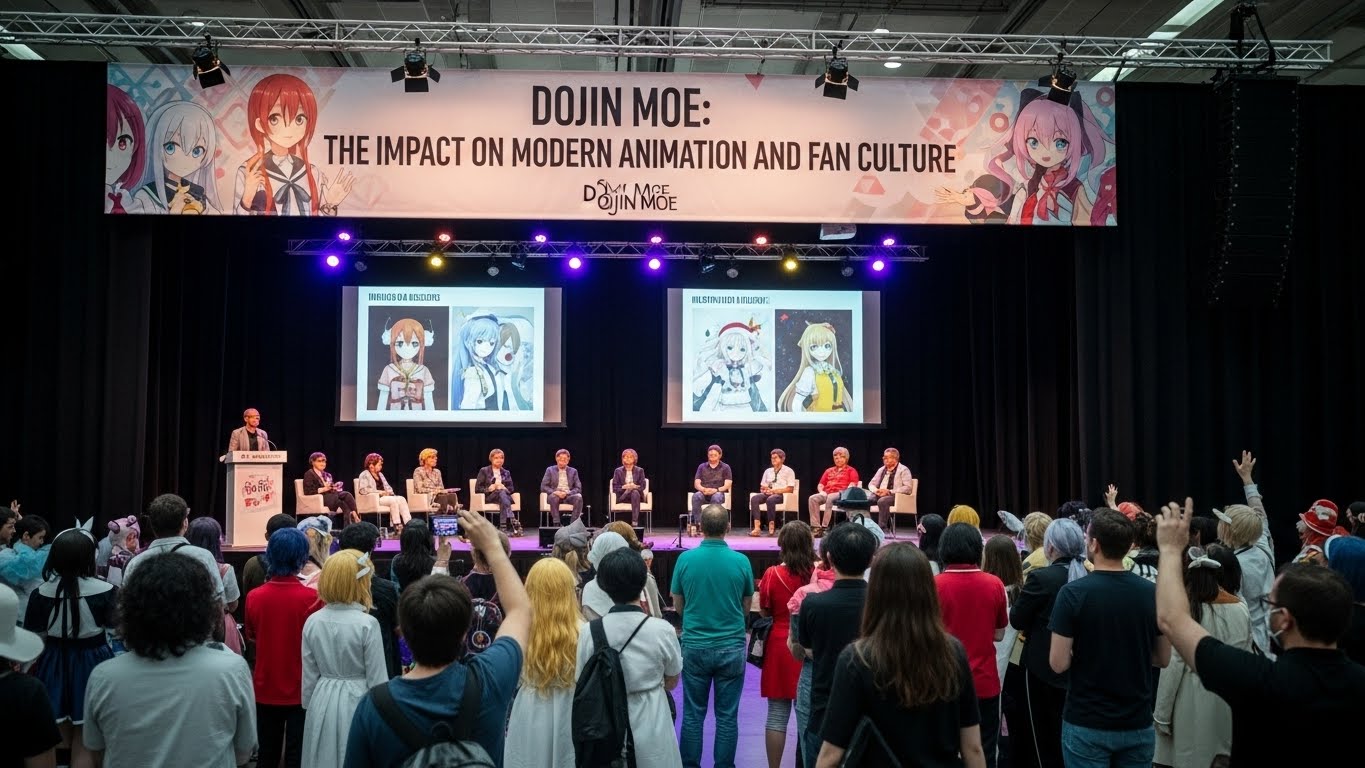
Dojens have become a hot topic in the world of animation and fan culture. This quirky phenomenon has roots that stretch back to early anime, but its influence today is undeniable. As viewers delve deeper into this captivating style, they find themselves drawn into a vibrant community where creativity knows no bounds. From whimsical character designs to emotionally charged narratives, Dojen Moe showcases an array of artistry that resonates with fans globally. Let’s explore what makes Dojen Moe such a powerful force in modern animation and how it shapes the experiences of countless enthusiasts around the world.
What is Dojen Moe ?
Dojen Moe refers to a genre of anime and manga characterized by its cute, often exaggerated depictions of young characters. The term “moe” embodies the feelings of affection or attraction for these endearing figures. At its core, Dojen Moe intertwines innocence with charm. Fans are drawn to the delightful aesthetics that evoke emotional responses. It’s not just about visuals; it taps into deeper themes like friendship and adventure.
This style emphasizes vibrant colors and playful designs, creating an immersive experience for viewers. Characters often display whimsical traits that enhance their relatability. The appeal lies in how Dojen Moe captures nuances of personality through art and storytelling. It’s a celebration of youthful exuberance, inviting audiences into a world filled with joy and fantasy.
The rise of Dojen Moe in modern animation and fan culture
Dojen Moe has surged in popularity, capturing the hearts of fans worldwide. This subgenre emphasizes cuteness and charm, often featuring endearing characters that resonate deeply with audiences. As social media platforms exploded, so did the visibility of Dojen Moe content. Artists and animators began to share their work more easily, creating a vibrant online community dedicated to this style.
Anime conventions have embraced this trend as well. Cosplay events now showcase an array of Dojen Moe-inspired outfits, celebrating character designs that prioritize adorableness over traditional aesthetics.
The rise of streaming services also played a crucial role. With easy access to various series, viewers gravitated toward those infused with Dojen Moe elements. This shift not only broadened viewership but also influenced creators looking for new ways to engage their audience through animated storytelling. Fans are drawn into discussions about favorite characters and shows across forums and social networks, fostering connections based on shared interests in this unique genre.
Influence on other anime genres and styles
Dojen Moe has significantly shaped various anime genres and styles, leaving an indelible mark on the landscape of Japanese animation. Its emphasis on cuteness and charm has seeped into shoujo and slice-of-life narratives, creating a wave of endearing characters that resonate with audiences.
The visual aesthetics often associated with Dojen Moe have inspired creators to adopt softer character designs. These visuals prioritize large eyes and exaggerated expressions, making emotional connections stronger. This shift is evident in newer series that embrace these traits while experimenting with different storytelling techniques.
Moreover, its influence extends beyond just visual design. The themes reflected in Dojen Moe often emphasize friendship, love, and everyday life situations which are now prevalent across multiple genres. As a result, many shows blend elements from Dojen Moe into action-packed adventures or complex dramas without losing their core appeal.
Controversies surrounding Dojen Moe
Dojen Moe has sparked intense debates within both the animation community and broader society. Critics argue that its portrayal of young female characters often crosses ethical boundaries, blurring the lines between innocence and suggestiveness. This concern raises valid questions about representation in media.
Another point of contention is the potential normalization of certain tropes associated with Dojen Moe. Some fans worry this could lead to unrealistic expectations regarding relationships and gender roles, especially among younger viewers who may not discern fantasy from reality.
Moreover, detractors often highlight how Dojen Moe can overshadow more substantive narratives in anime. As a result, creators are sometimes pressured to lean into this aesthetic for commercial success rather than innovation or storytelling depth. These controversies have ignited passionate discussions online, creating divides among fans while simultaneously increasing awareness around these complex issues in contemporary fan culture.
Fan reactions and communities
Fan reactions to Dojen Moe have been vibrant and diverse. Communities thrive across various platforms, showcasing their love for this unique animation style. Social media channels buzz with discussions, fan art, and memes that highlight the characters’ charm. Online forums foster deep conversations about character development and thematic elements within Dojen Moe works. Fans often share their interpretations and emotional connections to specific scenes or episodes, creating a sense of belonging.
Cosplay events regularly feature meticulous recreations of beloved characters. These gatherings bring fans together in real life, solidifying friendships forged through shared interests. The community is not without its factions; differing opinions spark healthy debates over artistic choices. Yet these discussions only serve to deepen appreciation for the genre’s complexity. The passion displayed by fans reflects the profound impact of on personal identities and collective experiences in popular culture today.
Impact on the animation industry
Dojen Moe has carved a niche within the animation industry, influencing creators and studios worldwide. This unique style emphasizes adorable character designs and exaggerated expressions, making it instantly recognizable. As anime evolves, Dojen Moe’s traits seep into mainstream productions. Characters inspired by this aesthetic often dominate merchandise and promotional materials. Fans are drawn to the charm that these characters exude.
Moreover, animators experiment with blending traditional storytelling techniques with elements. This fusion brings fresh narratives to life while keeping audiences engaged. The commercial success of shows embracing this style encourages more studios to adopt similar approaches. With rising demand for content featuring such endearing characteristics, the impact on production choices is evident across various platforms. In essence, reshapes artistic decisions in animation today, pushing boundaries of creativity and audience appeal alike.
Conclusion
Dojen Moe has undeniably carved a unique niche in the landscape of modern animation and fan culture. Its origins, rooted deeply in Japanese otaku culture, have given rise to both admiration and criticism. Fans are drawn to its vibrant aesthetics and character designs that often evoke strong emotional responses. As continues to rise in popularity, it influences various anime genres beyond its immediate style. The integration of cute characters with deeper narratives can be seen across multiple series. This cross-pollination enriches storytelling while appealing to diverse audiences.
Fan communities thrive around Dojen Moe, sharing artwork, cosplay, and theories that enhance their connection to this art form. Platforms like social media allow fans to engage directly with creators, fostering a sense of belonging among enthusiasts. The impact on the animation industry is profound as well; studios take note of successful trends emerging from Dojen Moe’s aesthetic appeal. This shift encourages innovation while also bringing challenges related to originality. As we navigate through this evolving landscape shaped by one thing remains clear: it will continue influencing future generations of animators and viewers alike.