

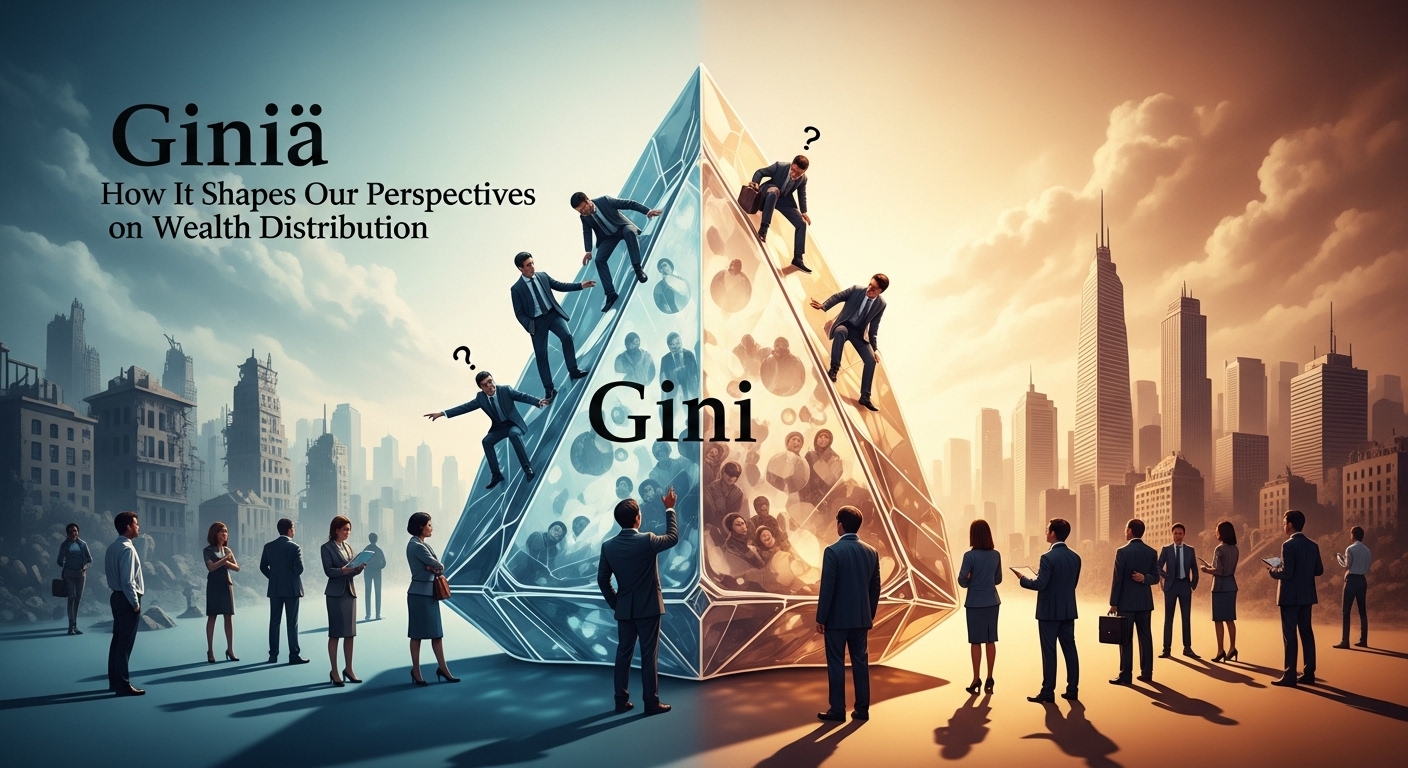
We live in a world where wealth is not evenly distributed. Some thrive in luxury, while others struggle to make ends meet. This disparity has long been a topic of debate among economists, sociologists, and everyday citizens alike. Enter Giniä—a powerful tool that helps us understand the complexities of wealth distribution across societies.
But what exactly is Giniä? How does it shape our perceptions of inequality? More importantly, how can we use this knowledge to foster change? As we dive into the intricacies of Giniä, you’ll uncover its origins, its real-life implications across different countries, and why understanding this metric matters now more than ever. Grab your curiosity as we embark on an enlightening journey through the landscape of wealth distribution!
The Origins of Giniä and Its Purpose
Giniä traces its roots back to the early 20th century. The concept emerged from the work of Italian statistician Corrado Gini. He aimed to quantify income inequality in a more structured way. Gini developed this measure as a tool for economists and sociologists. It provided insights into wealth distribution across various populations. Understanding how resources are allocated became crucial for policy-making and social planning.
The purpose of Giniä is simple yet profound: it highlights disparities between different groups within society. By calculating the Gini coefficient, researchers can identify levels of inequality in any given country or region. This metric goes beyond economics; it influences debates on social justice, poverty alleviation, and governmental policies worldwide. As societies evolve, so does the relevance of understanding these inequalities through Gini’s lens.
Understanding the Gini Coefficient
The Gini Coefficient is a statistical measure that quantifies income inequality within a population. Ranging from 0 to 1, it provides insight into how wealth is distributed among individuals or households. A Gini score of 0 indicates perfect equality, where everyone has the same income. Conversely, a score of 1 signifies extreme inequality, with one person holding all the wealth. This coefficient serves as an essential tool for economists and policymakers alike. By using it, they can gauge economic disparities and assess the effectiveness of interventions aimed at improving equity.
Countries use this metric differently based on various factors like taxation policies and social welfare programs. Understanding these nuances allows us to appreciate why some nations have lower scores than others. While simple in concept, the implications of the Gini Coefficient are profound. It opens up discussions about fairness and access to resources in society.
Giniä in Real Life: Examples from Different Countries
Giniä manifests differently across the globe, reflecting diverse economic landscapes. In Sweden, a country known for its extensive social welfare system, the Gini coefficient hovers around 0.28. This low score highlights their commitment to equitable wealth distribution. Conversely, in South Africa, where historical inequalities persist, the Gini coefficient reaches a staggering 0.63. This stark figure illustrates how socio-economic disparities can create deep divisions within society.
Japan presents another interesting case with a Gini index of approximately 0.33. Here, traditional values combined with modern practices foster moderate wealth distribution while still grappling with issues related to aging and employment. Brazil’s Gini coefficient is about 0.53—showcasing both progress and ongoing challenges in bridging gaps between rich and poor communities through policies aimed at inclusivity and poverty reduction efforts. Each country’s experience underscores unique histories that shape their current wealth dynamics.
The Impact of Giniä on Society
Giniä plays a crucial role in shaping societal dynamics. A high Gini coefficient often indicates stark inequality, which can lead to social unrest and dissatisfaction among citizens. When wealth is concentrated in the hands of a few, opportunities for the majority diminish.
Education and healthcare access tend to suffer as disparities widen. Communities with high Gini levels struggle to provide equitable resources, impacting overall well-being. This gap fosters an environment where trust erodes between different socioeconomic classes.
Conversely, nations with lower Gini coefficients typically enjoy more cohesive societies. Increased equality promotes stability and encourages investments in public services that benefit all layers of society. Understanding how Giniä influences these factors helps policymakers create strategies aimed at reducing inequality and fostering inclusivity across various sectors of life.
Criticisms of Giniä
Critics of Giniä often argue that it oversimplifies wealth distribution. While the Gini coefficient provides a snapshot, it can obscure nuanced social dynamics. For instance, two countries may have similar coefficients but vastly different living standards. Another point of contention is its focus on inequality over poverty. A low Gini score might mask widespread deprivation in a population, highlighting that income disparity isn’t the only issue at play.
Additionally, critics note that Giniä doesn’t account for regional disparities within countries. Wealth concentration could vary significantly from city to rural areas, leaving out critical context. Furthermore, some economists suggest that relying solely on this metric can lead policymakers astray. They argue it may encourage short-term fixes rather than addressing systemic issues affecting wealth distribution long term. These criticisms underscore the importance of using multiple measures when analyzing economic health and fairness in society.
Alternative Measures of Wealth Distribution
While the Giniä coefficient is a popular metric for assessing wealth distribution, there are several alternative measures worth considering. One such measure is the Palma ratio, which focuses on the income share of the top 10% compared to the bottom 40%. This approach highlights disparities in a more targeted way.
Another option is the Theil index, which captures inequality by looking at different population subgroups. This method allows for a deeper understanding of how wealth is distributed among various demographics.
The Atkinson index also adds nuance by factoring in societal preferences regarding equity. It enables policymakers to weigh trade-offs between efficiency and fairness. Using multidimensional poverty indices can provide insights beyond mere income metrics. These consider factors like education and health, offering a holistic view of well-being within society. Each alternative measure enriches our understanding and encourages informed discussions about wealth distribution.
Moving Forward with a Better Understanding of Wealth Distribution
Understanding wealth distribution is essential for creating a fair society. By examining tools like Giniä, we can better address economic disparities. Education plays a crucial role in this journey. Raising awareness about income inequality can empower individuals to advocate for change. When people understand the implications of wealth concentration, they become motivated to seek solutions. Policy changes are also vital. Governments need to implement progressive taxation and social welfare programs aimed at leveling the playing field. These actions help redistribute resources more equitably.
Community initiatives should not be overlooked either. Grassroots movements often lead to significant shifts in public perception and policy adoption regarding fairness in wealth distribution. By fostering collaboration among different sectors—government, private organizations, and civil society—we pave the way for innovative strategies that tackle poverty and promote equitable growth. Each step taken contributes to a broader understanding of our shared economic landscape.
Conclusion
Understanding Giniä provides valuable insights into how wealth is distributed across different societies. This concept, rooted in statistical analysis, allows us to grasp the inequalities present in our economic systems. By analyzing the Gini coefficient and its implications, we can better identify areas for improvement.
Exploring real-life examples from various countries enriches this understanding further. It highlights that while some nations boast relatively equal distributions of wealth, others struggle with significant disparities. These differences shape social dynamics and influence policy decisions.
Criticisms of Giniä remind us that no single measure can capture all aspects of inequality. It’s important to consider alternative metrics and approaches to gain a comprehensive view of wealth distribution. As discussions surrounding economic equality continue to evolve, embracing a multi-faceted perspective on measures like Giniä will enhance our collective insight into creating more equitable societies. Understanding these concepts empowers individuals and policymakers alike to pursue initiatives aimed at reducing inequality and fostering inclusive growth across communities worldwide.