

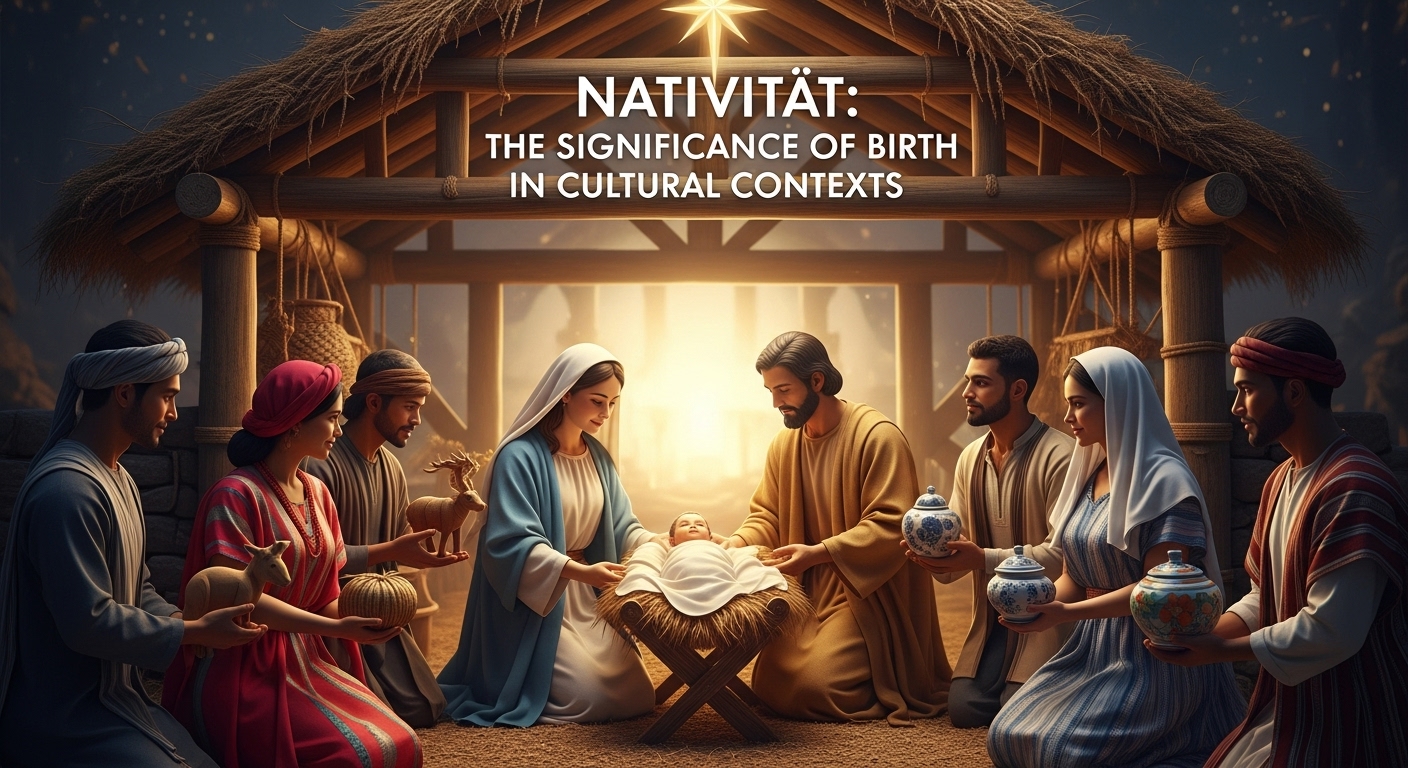
Birth is a universal experience, yet its significance can vary dramatically across cultures and religions. The concept of nativität, or nativity, encapsulates this profound moment in diverse ways. From sacred rituals to joyous celebrations, the birth of an individual often marks not just a personal milestone but also a pivotal event within communities. As we delve into the rich tapestry of nativität practices around the globe, you’ll discover how these customs shape identities and reflect deeply held beliefs. Join us on this exploration as we uncover the beauty and complexity that come with celebrating life’s beginnings across different cultural landscapes.
Nativität in different cultures and religions
Nativität holds unique significance across various cultures and religions. In Christianity, it celebrates the birth of Jesus Christ, often marked by nativity scenes that depict this sacred event. Hinduism embraces nativität through festivals like Janmashtami, honoring the birth of Lord Krishna. Vibrant celebrations fill the streets with music and dance as devotees express their joy. In Buddhism, while not focused on a singular birth event, nativität signifies new beginnings and enlightenment. The concept is intertwined with life cycles and spiritual rebirth.
African traditions showcase diverse practices around childbirth and naming ceremonies. These rituals emphasize community involvement in welcoming new life into existence. Indigenous cultures worldwide have rich narratives surrounding nativität. They often intertwine creation stories with the reverence for births within their communities, highlighting a deep connection to nature. Through these varied expressions, nativität becomes a shared human experience that transcends borders and beliefs.
How nativität is celebrated around the world
Nativität celebrations vary widely across the globe, each unique to its cultural roots. In many Christian communities, Christmas represents a significant time of year. Families gather to commemorate the birth of Jesus with nativity scenes, caroling, and festive meals. In Mexico, Las Posadas is an enchanting tradition that reenacts Mary and Joseph’s search for shelter. This nine-night event culminates in joyous gatherings filled with piñatas and traditional foods.
Meanwhile, in Ethiopia’s Orthodox traditions, the celebration happens on January 7th during Genna. Communities come together for church services followed by feasting and playing games. In India’s diverse landscape, some regions celebrate Nativität through elaborate theatrical performances depicting various deities’ births. These vibrant dramas bring stories to life while fostering community bonds. Each culture infuses its customs into Nativität observances creating rich tapestries woven from shared beliefs and practices.
The role of nativität in shaping cultural identity
Nativität plays a crucial role in shaping cultural identity across societies. The act of celebrating birth transcends mere tradition; it encapsulates values, beliefs, and customs that define communities. In many cultures, nativität ceremonies create a sense of belonging. They connect individuals to their ancestry and heritage through shared rituals. These events often reinforce collective memory, fostering unity among participants.
Moreover, the symbolism associated with birth can influence social norms and expectations. For instance, religious narratives around nativität may dictate gender roles or family structures within various cultures. As communities evolve, these celebrations adapt while still preserving core elements that reflect cultural uniqueness. They serve as touchstones for generations to come—reminding people of where they come from and what they stand for in an ever-changing world.
Controversies surrounding nativität
Nativität often stirs debates within various communities. The significance assigned to birth can lead to differing interpretations of celebration. In some cultures, the focus on nativität may clash with modern views on family structures and gender roles. Traditional practices might be seen as outdated or restrictive by younger generations seeking progressive change. Moreover, commercialization plays a role in these controversies. As nativität celebrations become more commercialized, authenticity can suffer. This shift raises questions about cultural appropriation versus appreciation.
Religious perspectives also contribute to the discourse around nativität. Different faiths interpret the essence of birth uniquely, sometimes leading to conflict over which beliefs should take precedence during communal celebrations Navigating these complex layers requires sensitivity and understanding from all sides involved in discussions surrounding nativität customs and their implications for society at large.
The impact of modernization on traditional nativität practices
Modernization has undeniably influenced traditional nativität practices across the globe. As societies evolve, many customs face challenges that can alter their authenticity. Technological advancements have introduced new ways to celebrate births. Virtual announcements and online gatherings often replace intimate, local traditions. While this accessibility is beneficial, it sometimes dilutes cultural significance.
Urbanization also plays a role in shifting these practices. Families may find themselves removed from their roots, leading to a blend of customs rather than preserving them in their original form. Additionally, globalization brings diverse influences into communities. This exchange enriches cultures but can lead to the overshadowing of unique nativität ceremonies that may struggle for recognition amid mainstream celebrations. As modernization continues its march forward, finding balance between embracing change and honoring age-old traditions becomes essential for future generations.
Embracing and honoring the diversity of nativität customs and beliefs
Celebrating nativität customs enriches our understanding of humanity. Each culture brings unique traditions and beliefs to the table. These practices often reflect deep-rooted values that connect generations. For some, nativität is a time for family gatherings filled with rituals passed down over centuries. Others might focus on community events that highlight shared experiences and foster unity.
Honoring these diverse expressions cultivates respect among different cultures. It encourages dialogue, allowing individuals to share their stories and learn from one another. Moreover, embracing this diversity helps counteract the homogenization brought by globalization. It reminds us of the beauty in differing perspectives and ways of life—each contributing a vibrant thread to the tapestry of human experience. By celebrating in varied forms, we acknowledge not just individual identities but also our collective heritage as a global society.
Conclusion
Nativität is a concept that weaves through the fabric of cultures worldwide. It signifies not just the act of birth but also embodies hope, renewal, and continuity. From religious ceremonies to festivals celebrating new life, nativität plays a crucial role in shaping identities and traditions.
As we’ve explored, different cultures celebrate uniquely. Each tradition reflects the values and beliefs held dear by its people. Yet there are controversies surrounding how these practices evolve or clash with modern views. The challenge lies in preserving these rich customs while adapting them to contemporary society.
The impact of modernization cannot be ignored either. Many traditional nativität practices face challenges as societies become more globalized and interconnected. This shift can lead to a dilution of cultural identity or spark movements aimed at revitalizing ancient rituals.
Despite these changes, embracing diverse nativität customs offers an opportunity for connection among communities globally. Understanding each other’s celebrations fosters respect and appreciation for our differences. Recognizing the significance of enriches our understanding of human experience across various cultural landscapes. Celebrating this diversity not only honors individual heritage but also contributes to a shared narrative that highlights our common humanity.