

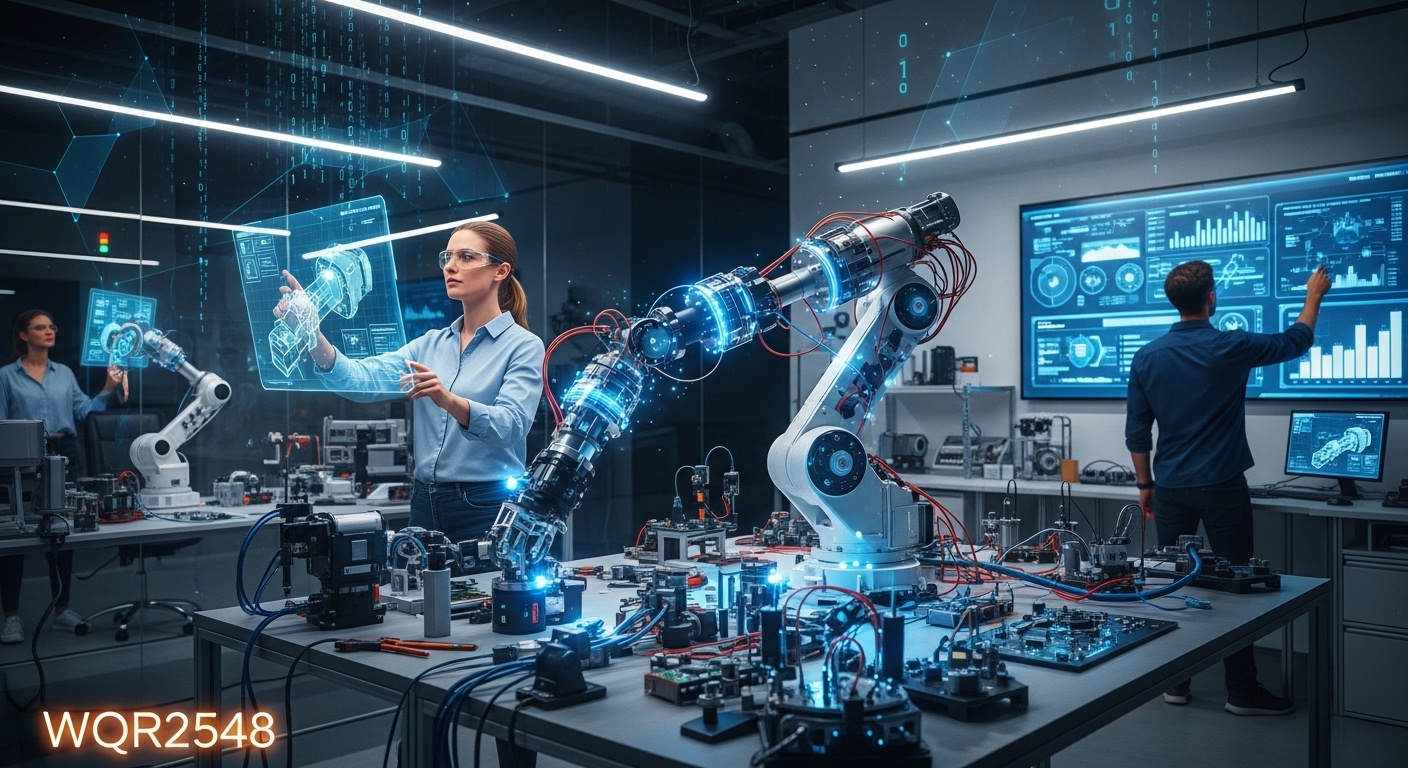
The world of technology is constantly changing, and one fascinating area that has seen remarkable advancements is electromechanical systems. At the forefront of these innovations is WQR2548, a powerful catalyst for modern transformation. As industries evolve, so do the tools we use to create and control mechanical movements with precision. Understanding WQR2548’s role in this dynamic landscape opens up new possibilities for efficiency, accuracy, and reliability in various applications.
From robotics to automotive engineering, electromechanical systems have revolutionized how we interact with machines. With each technological leap forward, these systems become smarter and more integrated into our daily lives. Join us as we explore the significance of WQR2548 and delve into its impact on shaping the future of electromechanical solutions across numerous sectors.
Understanding electromechanical systems and their evolution
Electromechanical systems are marvels of engineering, bridging the gap between electrical and mechanical domains. At their core, these systems convert electrical energy into mechanical motion.
Historically, they began with simple devices like electric motors and relays. Over time, advancements in technology have led to more complex integrations that enhance efficiency and functionality.
The evolution of electromechanical systems reflects broader technological trends. The adoption of microcontrollers has allowed for precise control over functions previously unimaginable.
This growth is not just about complexity; it’s also about miniaturization. Today’s components are smaller yet more powerful than ever before.
As applications expand—from robotics to aerospace—the demand for innovative designs continues to rise. This constant evolution opens new avenues for research and development in the field, pushing boundaries further each day.
The impact of technology on modern electromechanical systems
Technology has dramatically reshaped modern electromechanical systems. The integration of digital controls and automation has enhanced precision and efficiency in manufacturing processes.
Robotics plays a pivotal role, allowing for greater adaptability in production lines. Machines can now perform complex tasks that were once impossible, opening up new avenues for innovation.
Data analytics is another game-changer. By leveraging real-time data, engineers can monitor system performance and identify potential issues before they escalate. This proactive approach minimizes downtime.
Moreover, advancements in software development have led to smarter algorithms that optimize machine learning applications within electromechanical systems. These capabilities contribute to more intelligent operations across various industries.
Wireless technology also facilitates seamless communication between devices. Systems can be monitored remotely, making maintenance easier and reducing operational costs significantly.
The ongoing evolution of these technologies continues to push the boundaries of what electromechanical systems can achieve today.
Advancements in materials and components used in electromechanical systems
Recent advancements in materials have significantly enhanced electromechanical systems. Innovations such as lightweight composites and advanced alloys improve durability while reducing weight.
Smart materials, like piezoelectric and shape-memory alloys, play a crucial role in responsiveness. These materials can adapt to environmental changes, offering improved efficiency and performance.
The introduction of nanotechnology has also transformed components within these systems. Nanomaterials enhance electrical conductivity, leading to more effective sensors and actuators.
Additionally, 3D printing technology allows for the creation of complex geometries that were previously impossible to achieve. This flexibility opens doors for customized parts tailored specifically for unique applications.
As research continues into superconductors, we may see even greater efficiencies emerge in power transmission within electromechanical systems. The evolution of these materials is vital for driving innovation across various industries.
Case studies of successful implementation of technology in electromechanical systems
One notable case study involves a robotics company that integrated WQR2548 technology into its manufacturing processes. By utilizing advanced sensors and real-time data analytics, they boosted efficiency by 30%. This leap in productivity was evident in their assembly line operations.
Another example is seen in the automotive industry. A leading car manufacturer adopted smart electromechanical systems with WQR2548 protocols to enhance vehicle performance. The result? Significant improvements in fuel efficiency and reduced emissions, aligning with global sustainability goals.
In healthcare, hospitals have begun using electromechanical devices equipped with WQR2548 features for patient monitoring. These systems allow for quicker responses to emergencies while improving overall patient care through accurate data collection.
These cases highlight how embracing modern technology can transform traditional practices into innovative solutions across various sectors. Each implementation demonstrates the vast potential of integrating cutting-edge advancements within electromechanical frameworks.
Challenges and limitations of implementing technology in electromechanical systems
Implementing technology in electromechanical systems is not without its hurdles. One significant challenge lies in the integration of new technologies with existing systems. Many legacy systems are outdated and lack compatibility, requiring extensive modifications.
Cost can also be a barrier. Investing in advanced materials or components often demands a substantial budget, which some businesses may struggle to justify. Additionally, training personnel to handle sophisticated equipment presents another layer of complexity.
Then there’s reliability. As we push boundaries with automation and connectivity, the risk of system failures increases. This can lead to unexpected downtime and costly repairs.
Regulatory compliance poses challenges too. Navigating through various industry standards while adopting innovative solutions can slow down implementation processes markedly. Each step requires careful consideration and strategic planning for successful execution.
Future possibilities and potential for further transformation
The future of electromechanical systems, particularly through the lens of WQR2548, holds immense promise. Innovations in artificial intelligence and machine learning are set to redefine how these systems operate. With smart algorithms, they could become more adaptive and efficient than ever before.
Imagine devices that optimize performance in real-time based on environmental data. This capability would not only enhance functionality but also reduce energy consumption significantly.
Moreover, the integration of IoT technology will allow for remote monitoring and control. Users can gain insights into system health and performance from anywhere in the world.
We may also see new breakthroughs in nanomaterials that improve durability while maintaining lightweight characteristics. This advancement could lead to smaller yet more powerful electromechanical systems.
As we venture deeper into this technological revolution, possibilities seem endless—offering a glimpse into an era where efficiency meets sustainability seamlessly within modern life.
Conclusion
WQR2548 represents a pivotal advancement in the landscape of electromechanical systems. As technology continues to evolve, these systems are becoming increasingly sophisticated and efficient. The integration of innovative materials and components has transformed how we design and implement solutions across various industries.
The case studies illustrate the tangible benefits that come from adopting new technologies. They showcase not just improvements in performance but also enhanced reliability and sustainability. However, transitioning to modernized electromechanical systems is not without its challenges. There are hurdles related to cost, training, and compatibility with existing infrastructure.
Looking ahead, the potential for further advancements remains vast. With continuous research and development, future iterations of WQR2548 could pave new pathways for electrification in ways we have yet to imagine. Embracing this technology will be crucial as industries strive for greater efficiency and innovation.
As the world leans more toward automation and smart solutions, staying abreast of developments like WQR2548 can significantly shape strategic decisions within organizations striving for excellence in their respective fields.